FIJIANFijian HistoryHISTORY
  • Privacy Policy
  • About Us
  • ‹
  • 1
  • 2
  • 3
  • 4
  • 5
  • ›
“Great Council of Chiefs, Waikava”. Senior members of the Great Council of Chiefs with Cakobau seated at the top of the ramp above his brother Ratu Josefa Celua. The chief to his left, wearing a white masi turban is likely Musudroka, the Vunivalu of Rewa. Waikava, Vanua Levu, Fiji. Possibly photographed by F. Dufty, December 1876. P.99842.VH Source: http://maa.cam.ac.uk/photo-great-council-of-chiefs-p-99842-vh/
Great Council of Chiefs

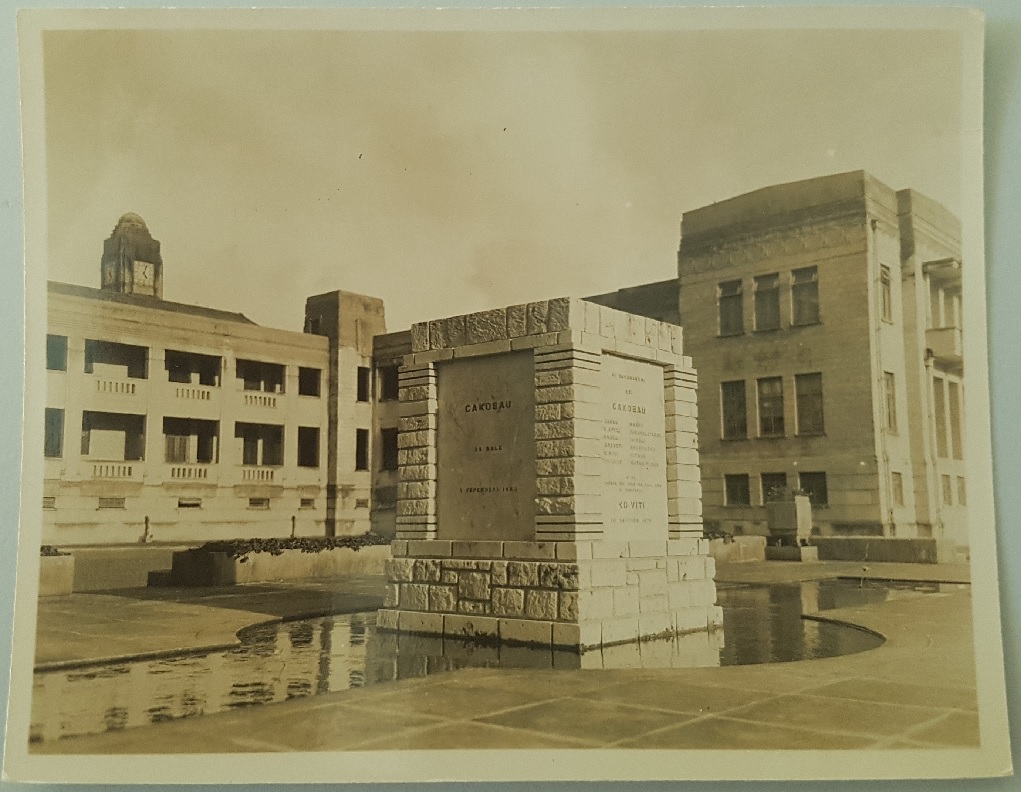
The Bose Levu Vakaturaga was a formal gathering of Fiji's indigenous (iTaukei) chiefs. It was established by the British Colonial Government in 1875 as an advisory body and named the Council of Chiefs (the term “Great” was added sometime later in the twentieth century). The complex at Draiba was completed in 2009 for Council meetings but was destroyed by fire ten years later. The North and South wings of the complex house the Ministry of iTaukei Affairs, Ministry of Lands and Ministry of Foreign Affairs. 

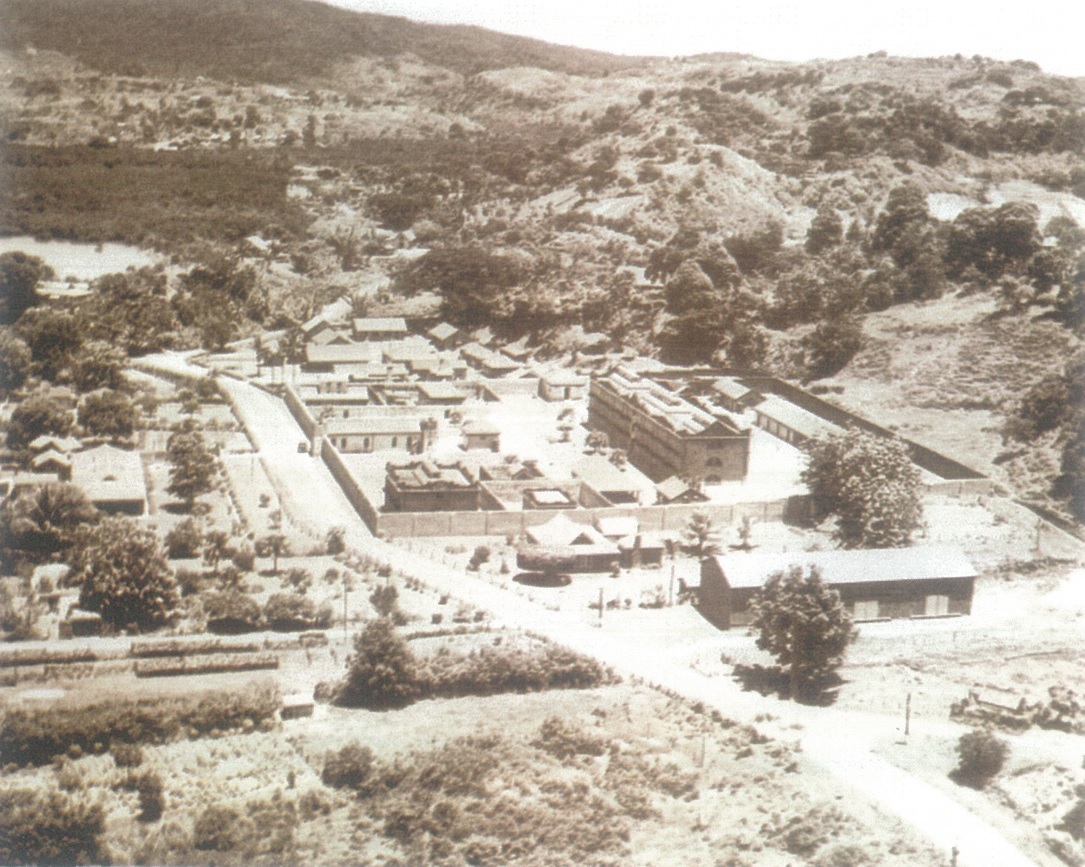
“Suva Prison, 1946” Source: Bart van Aller, Suva Gaol (Suva, National Trust of Fiji 2015).
Suva Prison

The Suva Prison is the major receiving centre in Fiji. Established at Korovou soon after the capital moved to Suva, the prison has housed men, women and juvenile prisoners at various times in its history. The complex includes Fiji’s first ferro-concrete building and a gallows where executions took place until 1964. Prisoners have maintained the nearby Suva cemetery since the prison was opened.
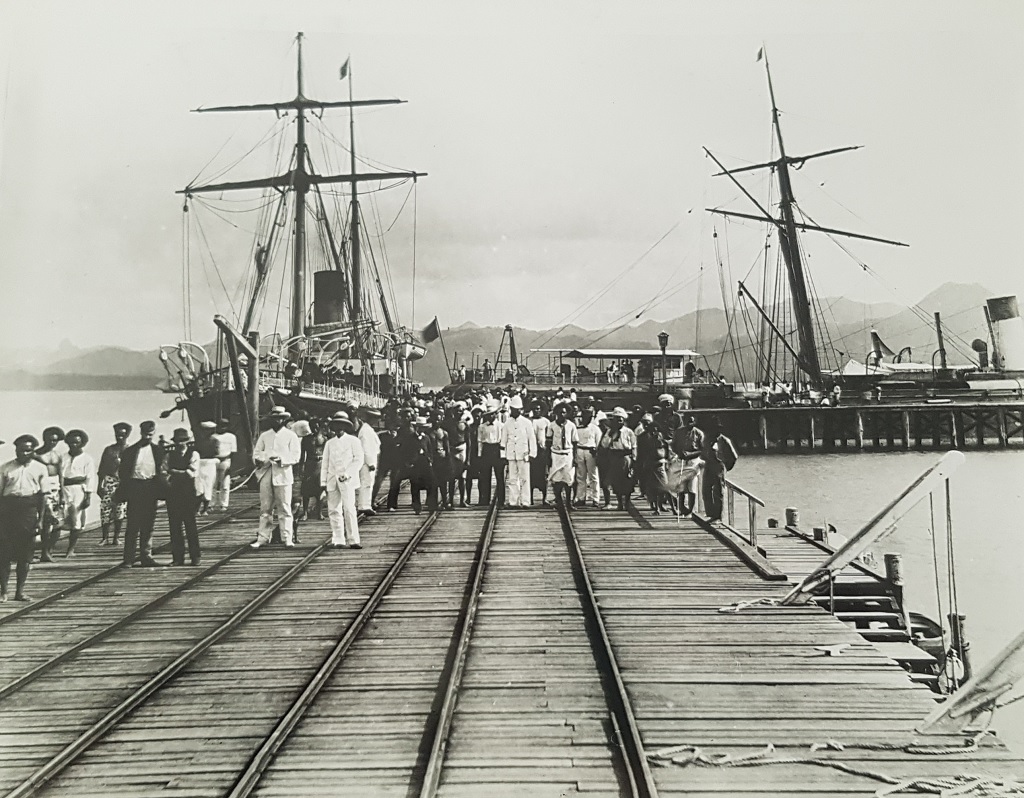
“King’s Wharf Suva 1929” Source: Fiji Museum P32.7/10
King's Wharf

King’s wharf was constructed on reclaimed land during WWI to replace the smaller Queen’s wharf at Pier Street.

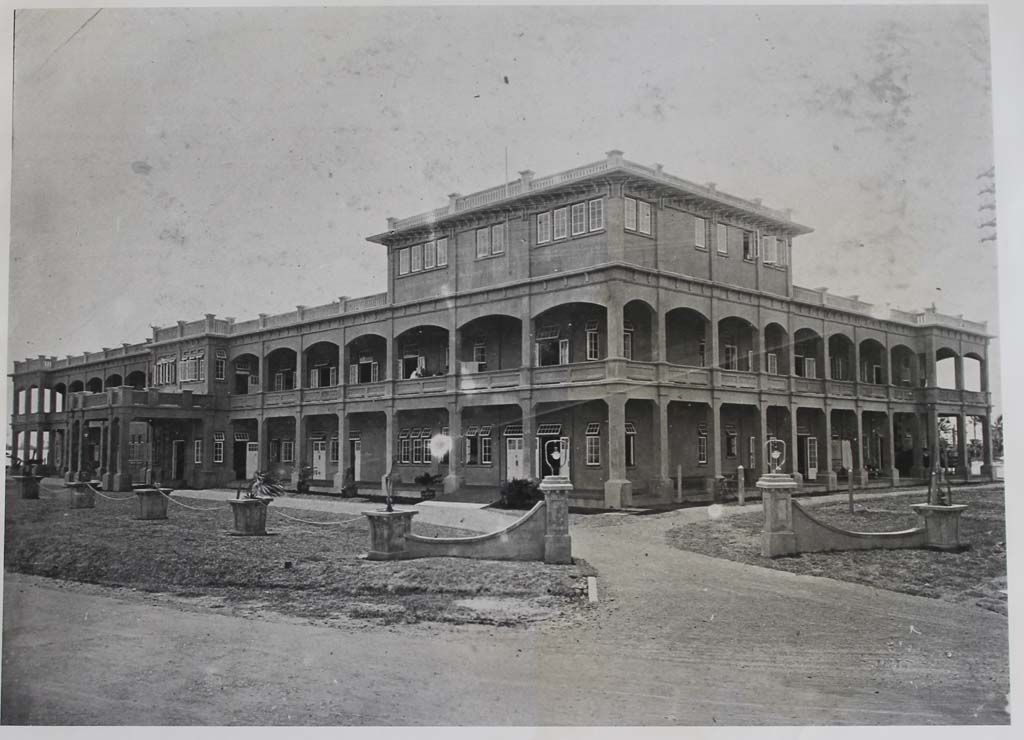
“CWM Hospital 1923”, Source: Fiji Museum P19.1/14
Colonial War Memorial Hospital

This hospital was opened in 1923 in memory of the Fiji veterans who served in World War I. It is also the site of the oldest medical school in the Pacific Islands. It is still in use today as the main hospital for the greater Suva area. 

“Landing of the Southern Cross at Albert Park, 1928”, Source: http://suvacity.org/albert-park /
Albert Park

Albert Park was constructed as a cricket ground in the 1880s on land that once belonged to the indigenous village of Suva. It has since hosted sporting events, national celebrations, visiting dignitaries, and was the site of the first airplane landing in Fiji in 1928.

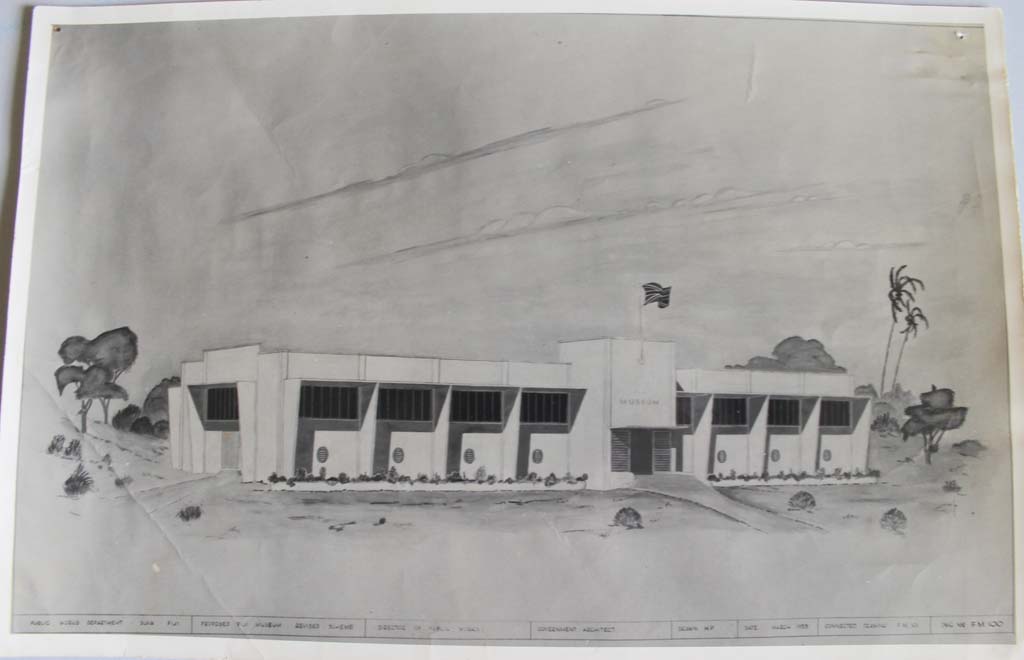
“Prospective Sketch by Mr Haus Turner? made while plans were in preparation”, c.1950s, Fiji Museum P23.1/14
Fiji Museum

The Fiji Museum was established in 1904 and has moved several times over the last century. It has been situated in Thurston Gardens since the 1950s and contains artefacts up to 3700 years old.

“Early Suva: Fijian market, Basil Thomson collection c1892” Source: Fiji Museum 1/2/6.13E/23
Suva Municipal Market

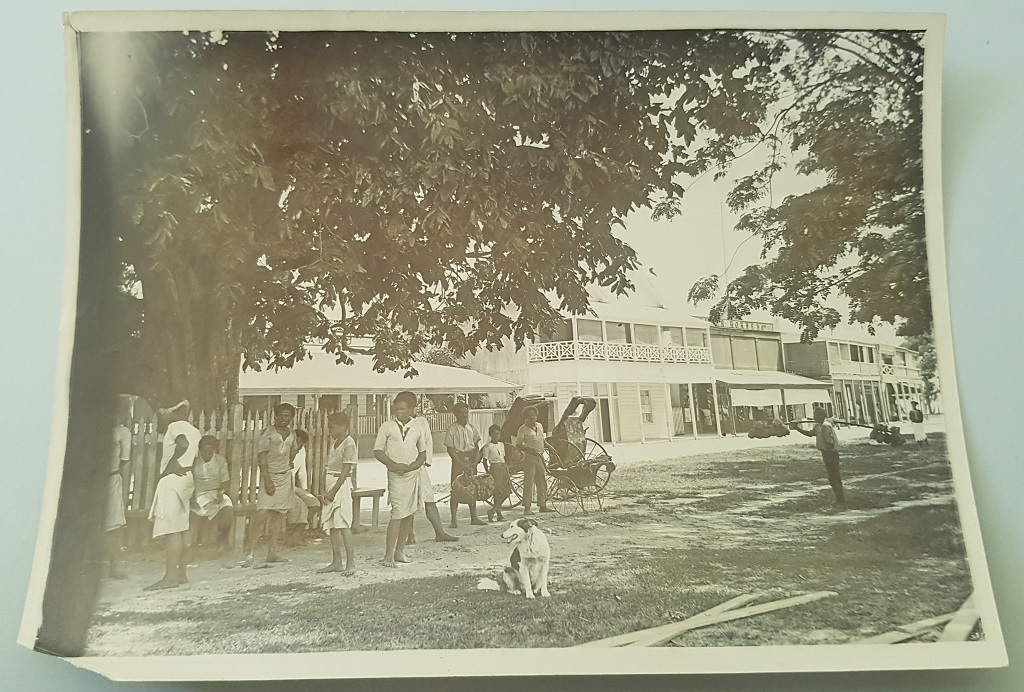
The market has been a vibrant meeting place for Suva residents and visitors to buy fresh fruit and vegetables, meat, fish, yaqona and traditional wares. The original Suva market was located near Pier Street, next to the Queen’s Wharf. It was moved to Cumming Street in the early 1900s until a new market was constructed at the present location between Harris Road and Rodwell Road in 1949.

“The University opened its doors for classes on 5 February 1968” Source: 2018. Treasures of the Past – The Humble Beginnings of USP, https://www.usp.ac.fj/news/story.php?id=2826
The University of the South Pacific (Laucala Campus)

The University of the South Pacific was the first of its kind in the Pacific Islands when it was established in 1968. Laucala Campus was once a New Zealand Air Force base until the land and buildings were converted into USP's first campus. Since then the university has expanded to 12 member countries of which Laucala Campus is the largest campus in the region. 

“Tarua & Beverely, n.d.” Source: Nicholas Rollings
Royal Suva Yacht Club

The current Royal Suva Yacht Club was built in 1948 at Walu Bay. It is believed to have begun earlier (possibly the 1930s) in the heart of Suva city near the old wharf at Pier Street before the land was reclaimed. 

  • ‹
  • 1
  • 2
  • 3
  • 4
  • 5
  • ›
Attribution-NonCommercial

Website content is licensed under a Creative Commons Attribution 4.0 International License. All material used on this site retains the original Creative Commons Licences and can only be re-used under their respective licences. Note that corporate logos (such as the Fijian History logo) and images used in some collections and branding are specifically excluded from the Creative Commons Attribution Licence, and may not be reproduced under any circumstances without the express written permission of the copyright holders.

Fijian History © 2018 - The University of the South Pacific
About

This project was a collaborative effort by staff and students of The University of the South Pacific to document some of the historic sites of Fiji.

Download App

Download the app from Google Play Store and browse fijian stories even when offline

Get the app on Google Play
Contact
  • Email us