FIJIANFijian HistoryHISTORY
  • Privacy Policy
  • About Us
  • ‹
  • 1
  • 2
  • 3
  • 4
  • 5
  • ›
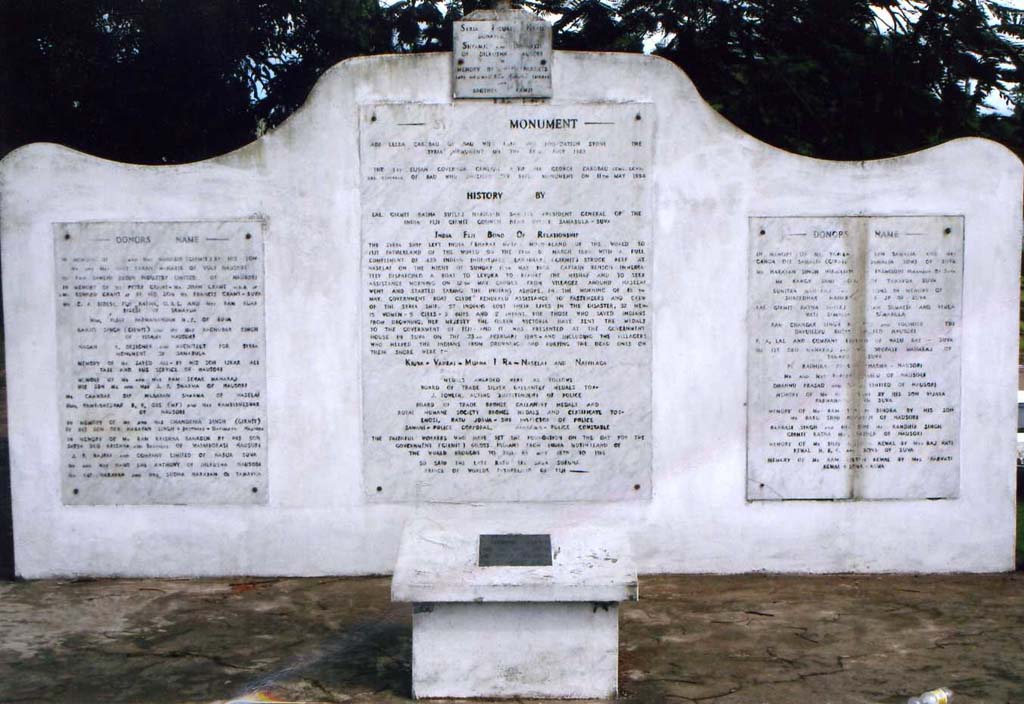
“Under the Ivi Tree Suva” (n.d.) Source: Fiji Museum P32.4/68
Ivi Triangle

The ivi triangle has been a popular resting place in Suva, and features an old ivi (Tahitian nut) tree. A small plaque sits beneath the ivi tree at the corner of Renwick Road and Scott Street. The inscription contains some misleading information about Fiji’s history.

“Artist’s rendering the Grand Pacific created for the Union Steamship Company” Source: http://grandpacifichotel.com.fj/about-us/
Grand Pacific Hotel

The Grand Pacific Hotel is one of the oldest hotels in the Pacific. It was built in 1914 to offer a more luxurious style of accommodation for cruise ship tourists. It was recently renovated and extended but it retains many of its original colonial architectural designs.  

“6-inch naval gun and bunker” Source: https://www.tripadvisor.com/Attraction_Review-g612490-d3240252-Reviews-Momi_Bay_Battery_Historic_Park-Denarau_Island_Viti_Levu.html?m=19905
Momi Bay Battery Historical Park

Momi Bay Historical Park contains several gun emplacements which were used during World War II to defend against possible attacks to the mainland of Viti Levu.

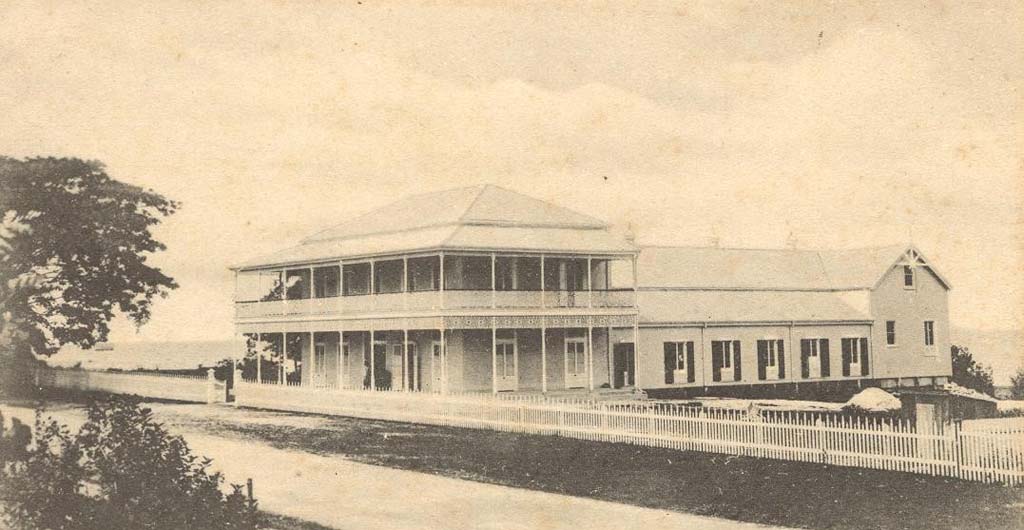
“Boys Grammar School postcard”, Co-operative (W.J.B. Stinsone), c.1930s? Source: http://www.justpacific.com/fiji/fijiphotos/grammar/bgs3.jpg
Suva Grammar School

The original Suva Grammar School was built in 1917 on Victoria Parade specifically for European boys. Girls were educated at another building on Selbourne Street a year later. Suva Grammar School is a co-ed school currently located at Nasese.

Remnants of the Veiuto Battery in 2012 (taken from Nebraska Anthropologist and researcher Allison Young).
Veiuto Gun Battery

The gun battery now nestled within the Veiuto Parliament House compound was constructed in 1939-40 to protect the capital’s coast. Today the battery has deteriorated somewhat, existing in less-than-ideal conditions. Its guns have been taken away and a phone tower has been mounted within a part of its remains.

“Prospective Sketch by Mr Haus Turner? made while plans were in preparation”, c.1950s, Fiji Museum P23.1/14
Fiji Museum

The Fiji Museum was established in 1904 and has moved several times over the last century. It has been situated in Thurston Gardens since the 1950s and contains artefacts up to 3700 years old.

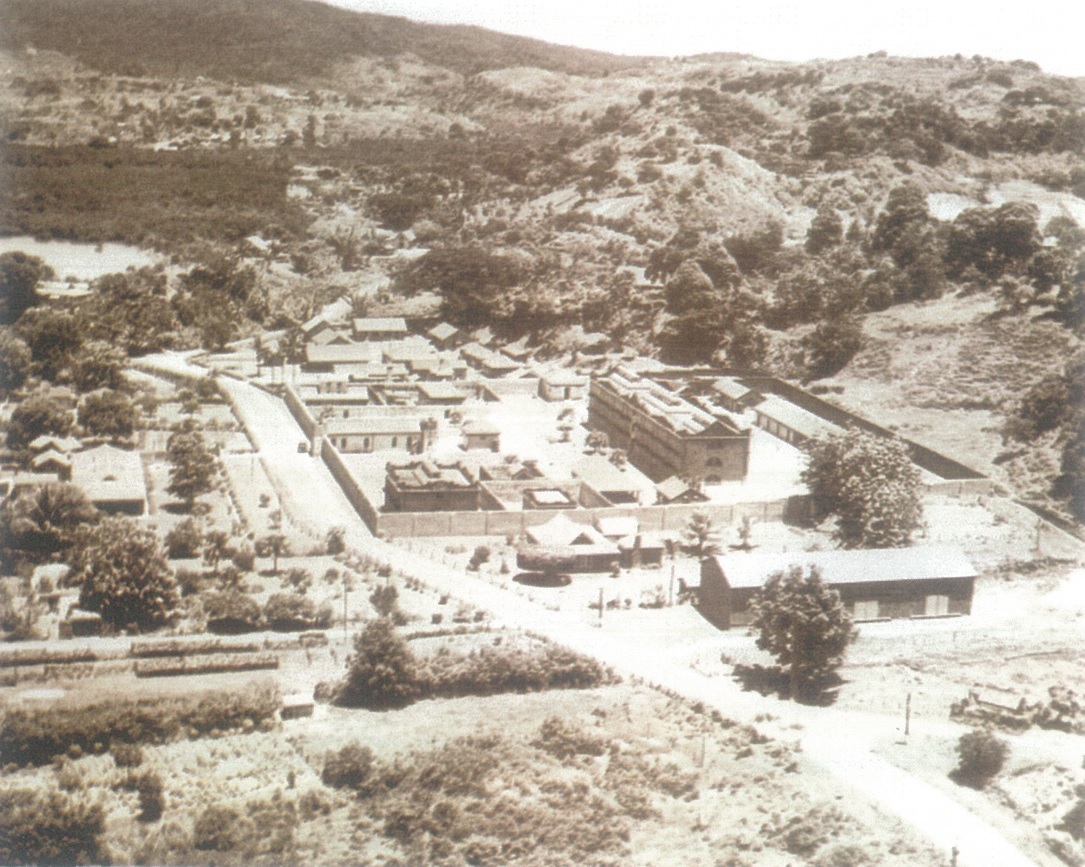
“Suva Prison, 1946” Source: Bart van Aller, Suva Gaol (Suva, National Trust of Fiji 2015).
Suva Prison

The Suva Prison is the major receiving centre in Fiji. Established at Korovou soon after the capital moved to Suva, the prison has housed men, women and juvenile prisoners at various times in its history. The complex includes Fiji’s first ferro-concrete building and a gallows where executions took place until 1964. Prisoners have maintained the nearby Suva cemetery since the prison was opened.

“The burenivanua in the centre of Sorokoba. The house is the official residence of the Tui Ba. It was rebuilt according to traditional designs atop the original yavu, but with modern materials” Source: Nicholas halter 2018.
Sorokoba Village, Ba

Sorokoba is located 3km north of Ba town and is the seat of the Tui Ba (paramount chief of Ba).

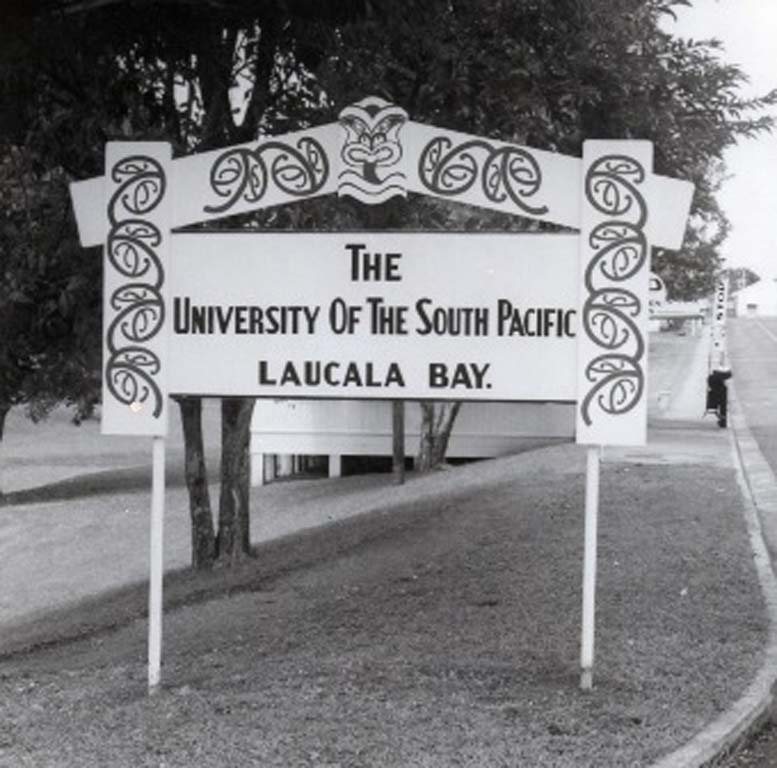
“The University opened its doors for classes on 5 February 1968” Source: 2018. Treasures of the Past – The Humble Beginnings of USP, https://www.usp.ac.fj/news/story.php?id=2826
The University of the South Pacific (Laucala Campus)

The University of the South Pacific was the first of its kind in the Pacific Islands when it was established in 1968. Laucala Campus was once a New Zealand Air Force base until the land and buildings were converted into USP's first campus. Since then the university has expanded to 12 member countries of which Laucala Campus is the largest campus in the region. 

  • ‹
  • 1
  • 2
  • 3
  • 4
  • 5
  • ›
Attribution-NonCommercial

Website content is licensed under a Creative Commons Attribution 4.0 International License. All material used on this site retains the original Creative Commons Licences and can only be re-used under their respective licences. Note that corporate logos (such as the Fijian History logo) and images used in some collections and branding are specifically excluded from the Creative Commons Attribution Licence, and may not be reproduced under any circumstances without the express written permission of the copyright holders.

Fijian History © 2018 - The University of the South Pacific
About

This project was a collaborative effort by staff and students of The University of the South Pacific to document some of the historic sites of Fiji.

Download App

Download the app from Google Play Store and browse fijian stories even when offline

Get the app on Google Play
Contact
  • Email us