FIJIANFijian HistoryHISTORY
  • Privacy Policy
  • About Us
  • ‹
  • 1
  • 2
  • 3
  • 4
  • 5
  • ›
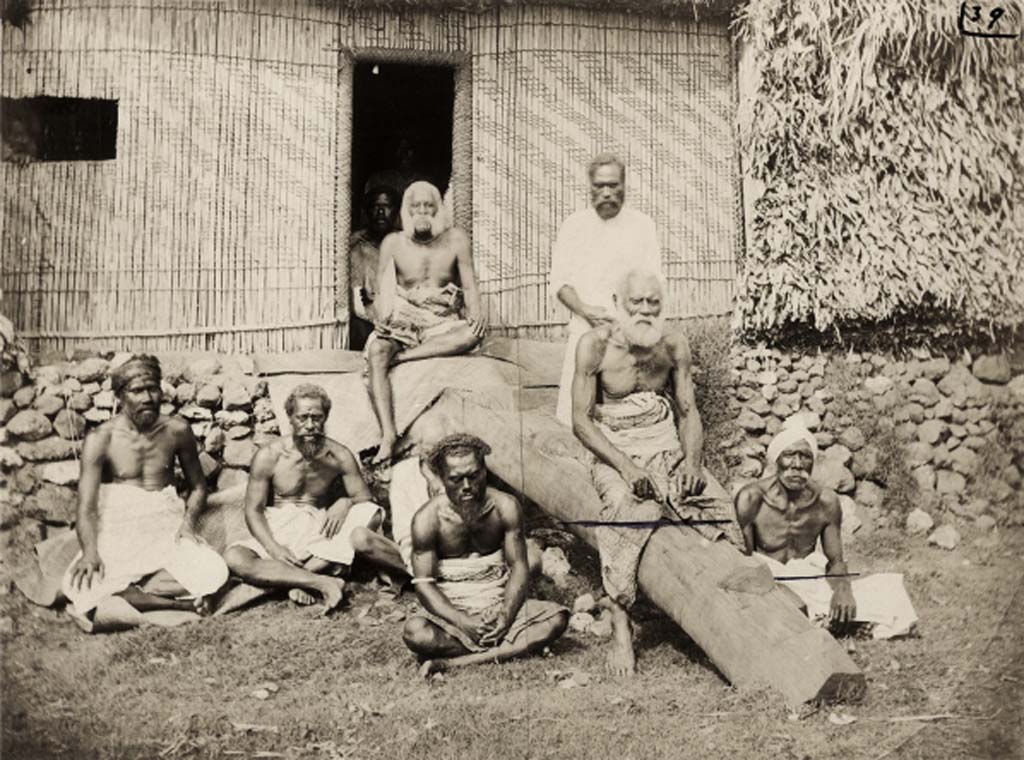
“The burenivanua in the centre of Sorokoba. The house is the official residence of the Tui Ba. It was rebuilt according to traditional designs atop the original yavu, but with modern materials” Source: Nicholas halter 2018.
Sorokoba Village, Ba

Sorokoba is located 3km north of Ba town and is the seat of the Tui Ba (paramount chief of Ba).

“The University opened its doors for classes on 5 February 1968” Source: 2018. Treasures of the Past – The Humble Beginnings of USP, https://www.usp.ac.fj/news/story.php?id=2826
The University of the South Pacific (Laucala Campus)

The University of the South Pacific was the first of its kind in the Pacific Islands when it was established in 1968. Laucala Campus was once a New Zealand Air Force base until the land and buildings were converted into USP's first campus. Since then the university has expanded to 12 member countries of which Laucala Campus is the largest campus in the region. 

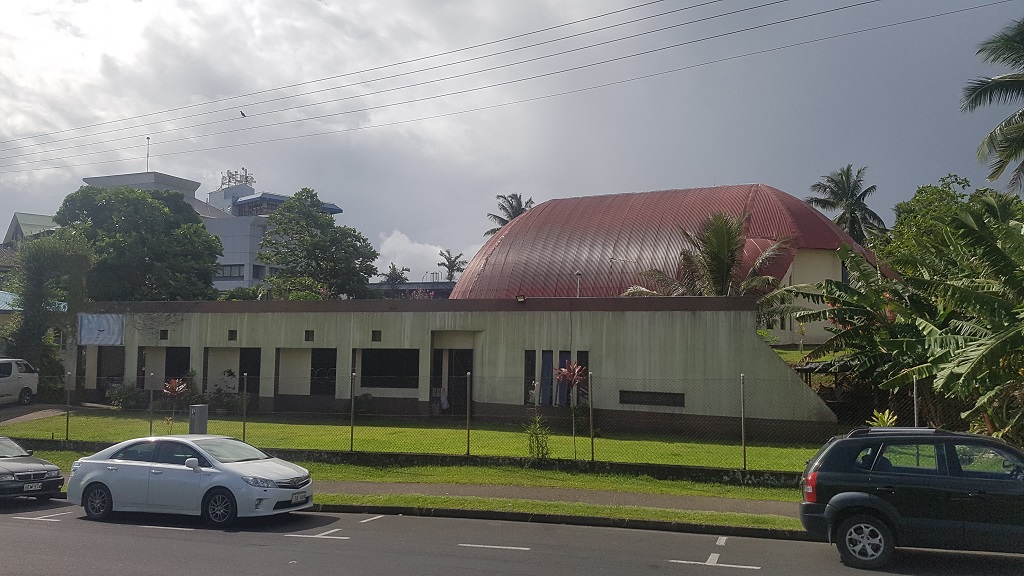
“Centenary Methodist Church”. Source: Nicholas Halter 2020
Centenary Methodist Church

The Methodist Church of Fiji is the largest Christian denomination in Fiji. The Centenary Methodist Church was announced in 1935 during the Centenary celebrations of the first Wesleyan missionaries who arrived in Fiji. The building was opened in 1954, and ten years later the Methodist Church of Fiji became independent from Australia.

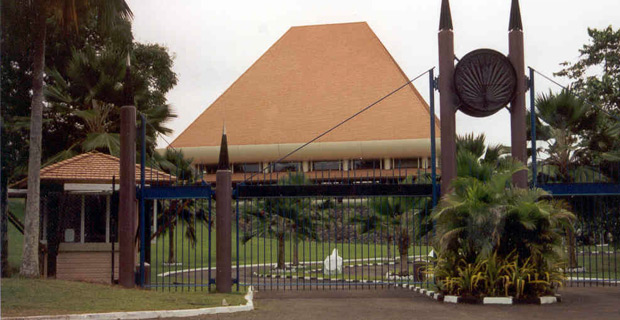
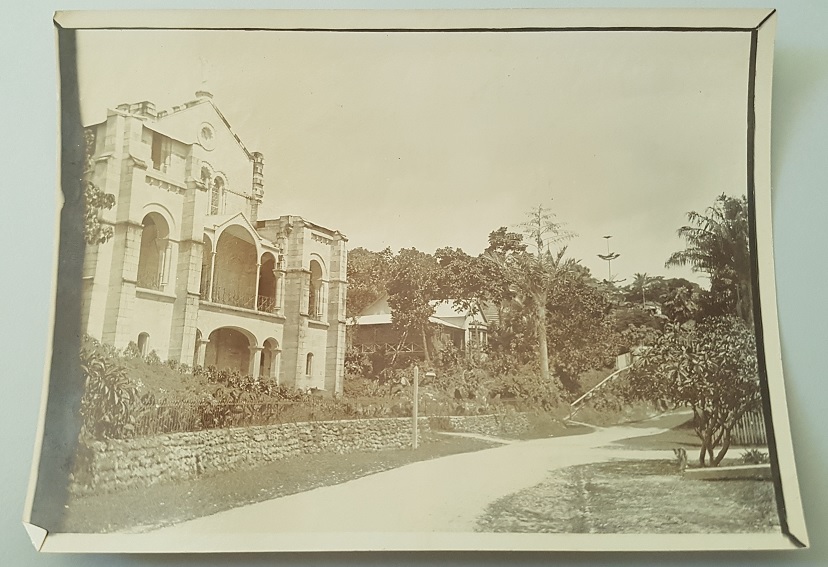
“A small child, possibly the Governor’s son, Jack, seated on a pony with two Fijian attendants in front of Government House in Nasova, Ovalau Island, Fiji”. Source: collected by A. von Hügel, 1875-77, Museum of archaeology and anthropology, P.99680.VH, http://maa.cam.ac.uk/photo-government-house-p-99680-vh/
Government House

Government House was the residence of the British Colonial Governors of Fiji since 1892 and was rebuilt after a lightning strike in 1921. Today it is known as the Presidential Palace.

“Wreck of the Syria Memorial, Nausori” Source: Nicholas Halter 2012
Wreck of the Syria Memorial, Nausori

The monument at Nausori was built in memory of people who died aboard the Indian immigrant ship Syria when it was wrecked on Nasilai reef in 1884. It was one of the worst maritime disasters in Fiji history - 59 people died in the tragedy.

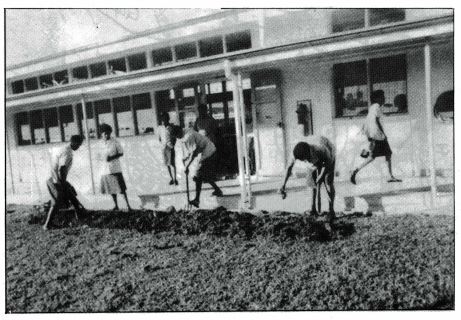
"Laucala Bay Secondary School Classroom". Source Shivani, 1991, LAUCALAN magazine
Laucala Bay Secondary School

Laucala Bay Secondary began as a demonstration school for University of the South Pacific teacher trainees in 1972. Many Suva students will remember it as the site of the N.Z.U.E. Examinations. The school motto was “In Omnia Paratus” meaning “Be prepared for all things”. LBSS was closed in 2015.

“Band rotunda, Thurston Gardens, 1920s”, Wishart Ryan, Source: Fiji Museum P32.4/23
Thurston Gardens

Thurston Gardens was originally named Suva Botanical Gardens. It was built in 1913 on the site of the original village of Suva and it's name was later changed in honour of Sir John Bates Thurston, the fifth Governor of Fiji.

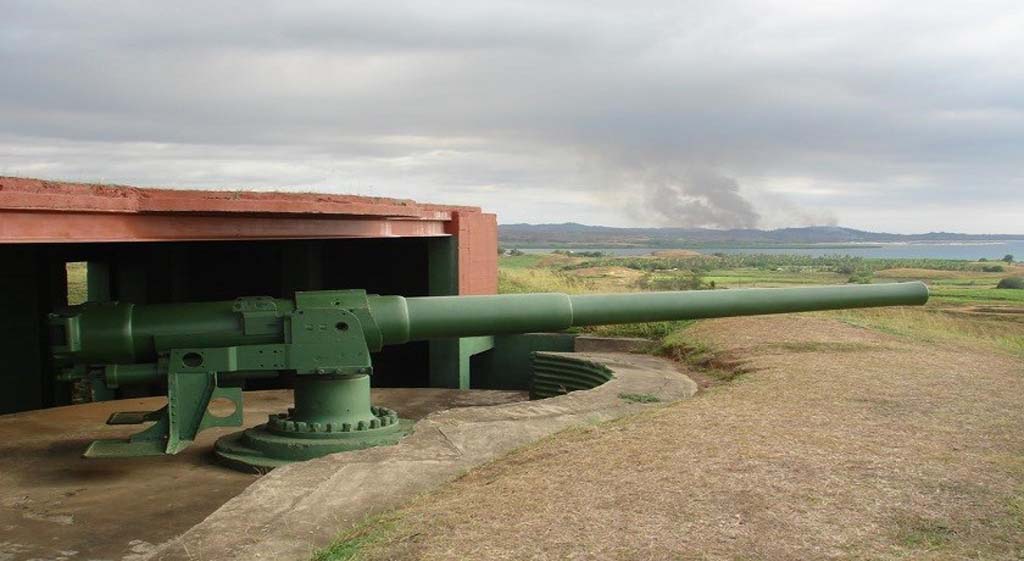
An example of diagrams at the Nasonini Battery outlining how to use the defensive equipment, photographed in 2016 and partially defaced by graffiti (taken from Global Archaeology).
Nasonini Gun Battery

The gun battery now nestled within the Pacific Islands Forum Secretariat’s main premises has deteriorated like its sister structure in Veiuto, with it also existing in less-than-ideal conditions. However, only one of its guns remains in it (broken up into pieces, unfortunately) and one of its three emplacements has been demolished so a residence for the High Commissioner of New Zealand could be built in its stead.

“Q.V. Memorial Hall, Suva, Fiji”, Unknown, c1904, shortly after completion. Source: Max Quanchi and Max Shekleton, An Ideal Colony and Epitome of Progress: Colonial Fiji in Picture Postcards, forthcoming.
Suva Town Hall

The Town Hall was originally named the Queen Victoria Memorial Hall when it was opened in 1905. Over a century it has hosted many tenants, including the Fiji Museum, an aquarium, a theatre and restaurants.

  • ‹
  • 1
  • 2
  • 3
  • 4
  • 5
  • ›
Attribution-NonCommercial

Website content is licensed under a Creative Commons Attribution 4.0 International License. All material used on this site retains the original Creative Commons Licences and can only be re-used under their respective licences. Note that corporate logos (such as the Fijian History logo) and images used in some collections and branding are specifically excluded from the Creative Commons Attribution Licence, and may not be reproduced under any circumstances without the express written permission of the copyright holders.

Fijian History © 2018 - The University of the South Pacific
About

This project was a collaborative effort by staff and students of The University of the South Pacific to document some of the historic sites of Fiji.

Download App

Download the app from Google Play Store and browse fijian stories even when offline

Get the app on Google Play
Contact
  • Email us