FIJIANFijian HistoryHISTORY
  • Privacy Policy
  • About Us
  • ‹
  • 1
  • 2
  • 3
  • 4
  • 5
  • ›
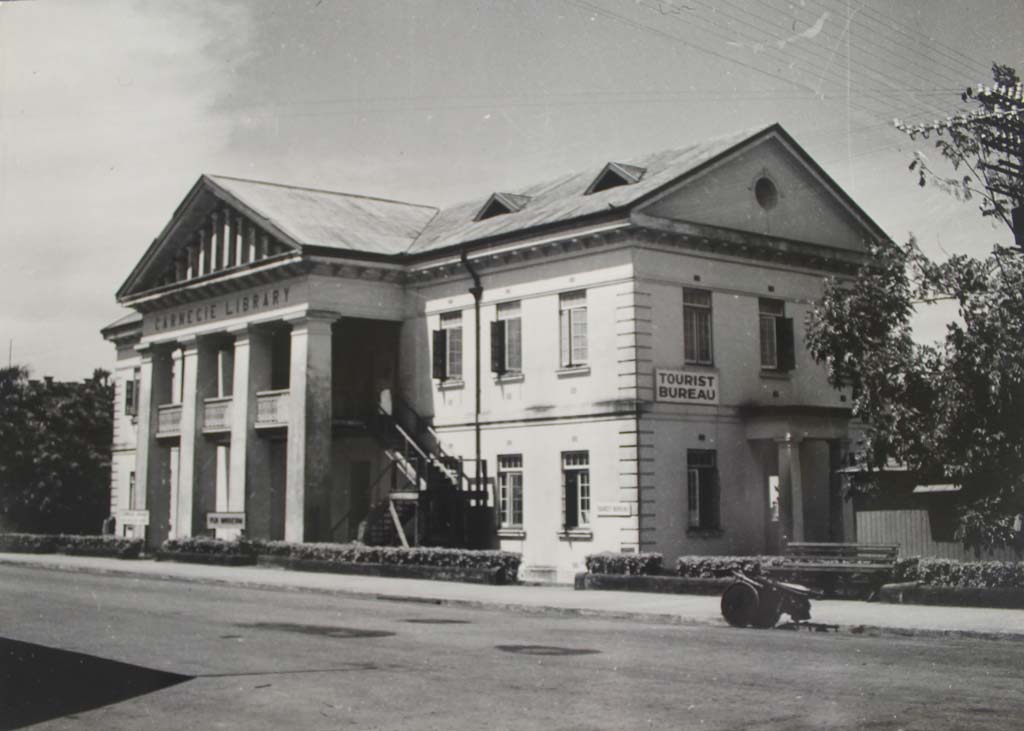
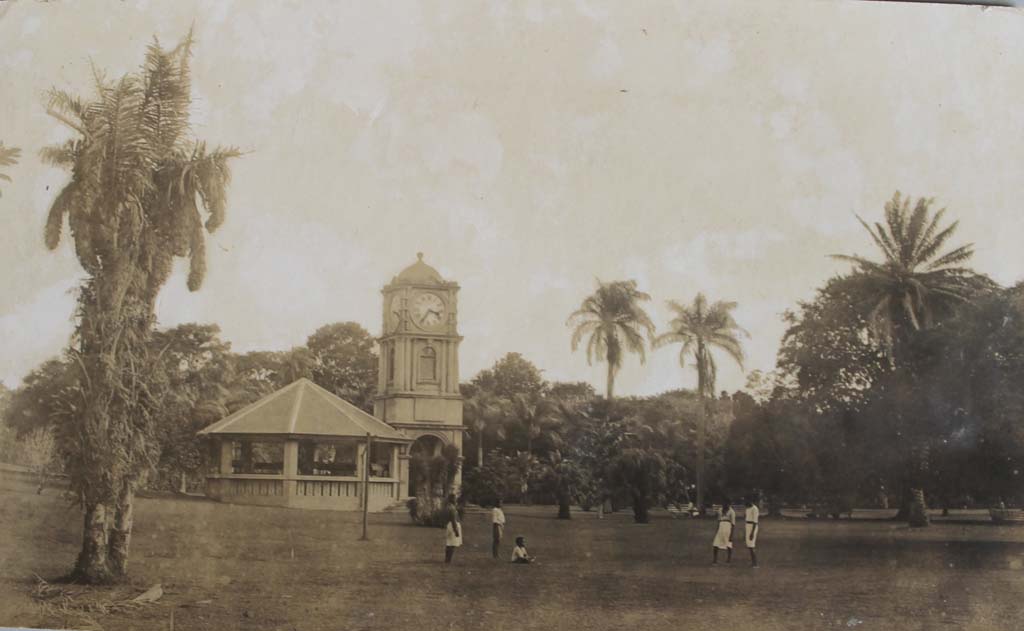
“Q.V. Memorial Hall, Suva, Fiji”, Unknown, c1904, shortly after completion. Source: Max Quanchi and Max Shekleton, An Ideal Colony and Epitome of Progress: Colonial Fiji in Picture Postcards, forthcoming.
Suva Town Hall

The Town Hall was originally named the Queen Victoria Memorial Hall when it was opened in 1905. Over a century it has hosted many tenants, including the Fiji Museum, an aquarium, a theatre and restaurants.

“Landing of the Southern Cross at Albert Park, 1928”, Source: http://suvacity.org/albert-park /
Albert Park

Albert Park was constructed as a cricket ground in the 1880s on land that once belonged to the indigenous village of Suva. It has since hosted sporting events, national celebrations, visiting dignitaries, and was the site of the first airplane landing in Fiji in 1928.

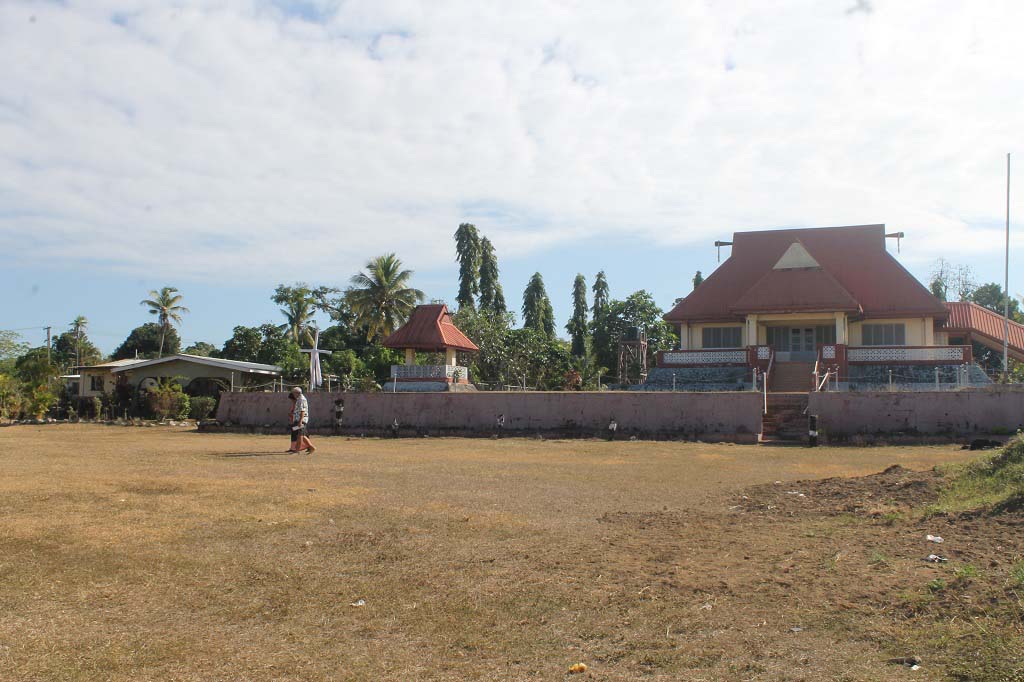
“Ba Civic Museum” Source: Nicholas Halter 2018
Ba Civic Museum

Ba Civic Museum was opened in 2014 and celebrates the township’s history. It also documents the diverse cultural history of the region which is the most populated of the 17 districts in Fiji.

"Entrance sign Tavuni Hill Fort" Source: Nicholas Halter 2018
Tavuni Hill Fort, Sigatoka

The Tavuni Hill Fortification overlooks the Sigatoka River from a 90m high limestone ridge. It was constructed by a clan of Tongans who arrived in the early 1800s.

“Suva Government Buildings, Cakobau Memorial replacing obelisk at old government bldgs demolished late 40s” Source: Fiji Musuem P32.5/14
Government Buildings

Originally comprised of wooden buildings relocated from Levuka, the government buildings precinct today includes the Parliament of Fiji, the law courts and other government ministries. The art deco design was completed in 1939 and includes a unique clock tower with a dome covered in glazed tiles.

“Sacred Heart Cathedral, Pratt Street, building began 1894, completed in 1939” Source Nicholas Halter 2018
Architecture

Architecture in Suva is reflective of the many different influences over time. These include the indigenous itaukei people who first occupied the land, other Pacific Islander, Asian and Indian migrants who settled since the late 1800s, and government officials and traders who built large colonial dwellings in and around the town centre.

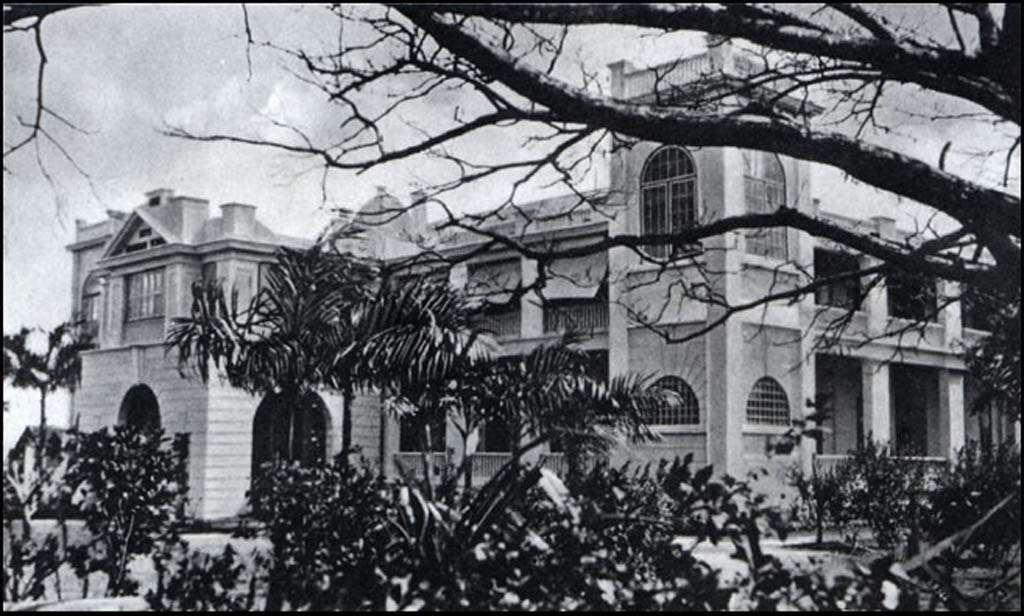
“Borron House overlooking the Waimanu Road area, around 1942” Source: Time Connections: A Quarterly Newsletter from the Friends of the Fiji Museum, 1996
Borron House

Borron House was once the home of a wealthy colonial planter family and is now used as a state guesthouse by the Government of Fiji to accommodate VIP guests.

“Saint Francis Xavier Church”, 2016, Source: Google maps
St Francis Xavier Church, Ra

The Church of St Francis Xavier is a popular tourist attraction for its mural of a black Christ which blends Christian motifs with elements of Fijian tradition and culture.

“Anglican Church Macarthur Street” c.1900s Source: Fiji Museum P32.4/28
Holy Trinity Anglican Cathedral

The Anglican Church was first established in Levuka in 1870. It came under the administration of the Diocese of Polynesia which was created with the consecration of its first Bishop in 1908. The cathedral in Suva was constructed in several stages between the 1950s and 1970s.

  • ‹
  • 1
  • 2
  • 3
  • 4
  • 5
  • ›
Attribution-NonCommercial

Website content is licensed under a Creative Commons Attribution 4.0 International License. All material used on this site retains the original Creative Commons Licences and can only be re-used under their respective licences. Note that corporate logos (such as the Fijian History logo) and images used in some collections and branding are specifically excluded from the Creative Commons Attribution Licence, and may not be reproduced under any circumstances without the express written permission of the copyright holders.

Fijian History © 2018 - The University of the South Pacific
About

This project was a collaborative effort by staff and students of The University of the South Pacific to document some of the historic sites of Fiji.

Download App

Download the app from Google Play Store and browse fijian stories even when offline

Get the app on Google Play
Contact
  • Email us